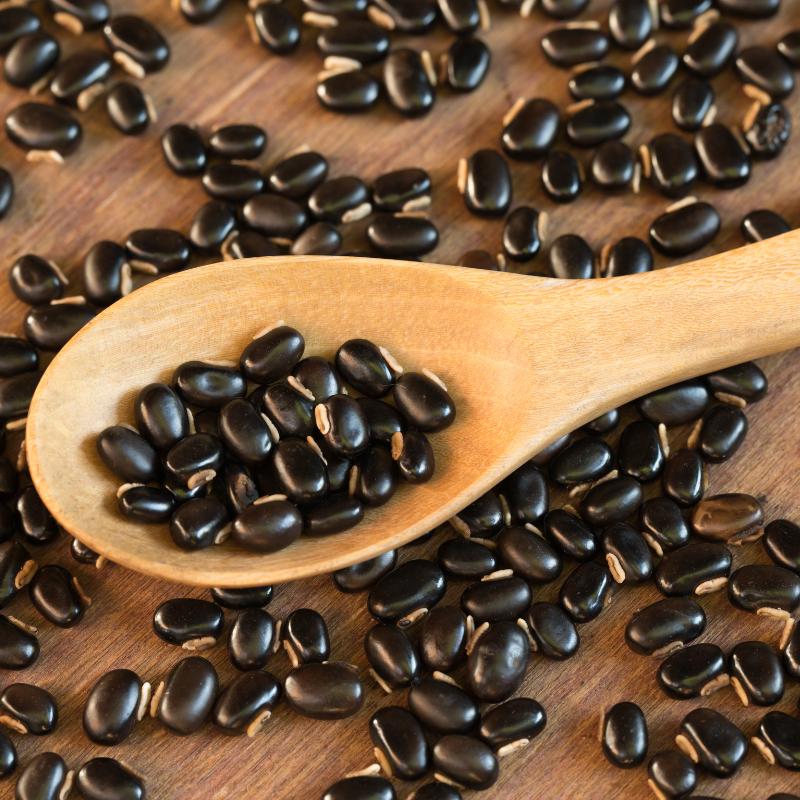
Seed preparation
Fresh seed germinates at 90-100%. Store seed dry and cool until sowing. Wash your hands after handling seed, and keep seed away from children and animals: raw velvet bean seed contains 1.6-3.3% L-DOPA and is not for eating.
 Shop at deodar-seeds.com Free EMS courier delivery across India

Tropical climber growing guide
Velvet bean is a fast, heat-loving climbing legume for warm, frost-free seasons. Soak the large seeds, sow them 2 cm deep in warm soil, give the vines strong support and wear gloves around the pods.
Fresh seed germinates at 90-100%. Store seed dry and cool until sowing. Wash your hands after handling seed, and keep seed away from children and animals: raw velvet bean seed contains 1.6-3.3% L-DOPA and is not for eating.
Not needed. A water soak is enough for the seed to swell.
Not needed. This is a tropical legume with no cold requirement.
Soak dry seed in water for 24 hours before sowing. Sow the swollen seed straight away.
Sow only into warm soil once nights stay mild. Velvet bean grows best at average temperatures of 19-27 °C (66-81 °F) and dies after more than 24 hours below 5 °C (41 °F). In India and other tropical regions, sow at the start of the rainy season.
2 cm (0.8 in) deep, 2-4 seeds per station; thin to the strongest one or two.
Well-drained sandy or clay soil, ideally pH 5-6.5. It grows well even on acid sandy soil but not in waterlogged ground. In new ground, treat seed with a cowpea-group rhizobium inoculant to help nodulation.
Keep the soil moist but not wet until seedlings emerge; soaked seed in cold, waterlogged soil rots.
No light is needed under the soil, but choose a spot in full sun: velvet bean yields poorly in shade.
4-7 days in warm soil.
Between sugarcane, 60-100 cm (2-3 ft) square spacing is used, and similar spacing suits a garden trellis. As a green manure, 30 x 20-30 cm with 2 seeds per hole is used; as a field crop, rows 90-120 cm (3-4 ft) apart.
If you start seed indoors in a short season, sow singly in deep pots and plant out before the roots circle, after the last frost. Handle the root ball gently.
Put up a strong trellis, fence or pergola at sowing time. Vines climb fast and can reach 2-18 m (6-60 ft); support also reduces aphid problems reported on sprawling vines in India.
Flowering starts 90-145 days after sowing and pods ripen 2-3 months later; the first dry seed harvest comes about 200-230 days after sowing.
Pick pods when they turn dark and dry. Wear gloves and long sleeves, because the hairs come off easily, and shell pods outdoors.
As a cover crop, cut the vines at the start of flowering (55-145 days after sowing). The dense canopy smothers weeds.
As a nodulating legume it fixes its own nitrogen, so nitrogen fertiliser is usually unnecessary; dig in compost before sowing on poor soil.
Raw seed contains L-DOPA and large amounts make animals ill. Where the seed is eaten traditionally, it is boiled for hours, dehulled and soaked with repeated water changes before use.
Soak velvet bean seed for a day and sow into warm soil beside a strong support.
Yes. The pods carry fine stinging hairs that cause intense itching, especially on wild forms. Cultivated forms have fewer, but always handle pods with gloves.
Not raw. The seed contains L-DOPA and other compounds; where it is used as food it is first boiled for several hours, dehulled and soaked for one to two days with frequent water changes.
Expect flowers 90-145 days after sowing and dry seed about 200-230 days after sowing, so it needs a long, warm, frost-free season.