Seed preparation
If saving your own seed, wash the jelly off the seeds and air-dry them for a few days before storing them.
 Shop at deodar-seeds.com Free EMS courier delivery across India

Climbing vegetable growing guide
Kiwano is a fast annual vine from Africa that germinates in about a week in warm soil. Sow after the cold season, give it a trellis and full sun, and pick the spiny fruit when it turns orange.
If saving your own seed, wash the jelly off the seeds and air-dry them for a few days before storing them.
Not needed. The seed coat lets water in freely.
Not needed. In laboratory tests, washed and air-dried seed with no other treatment germinated at about 82% within 8-10 days.
Not needed. Even moisture in warm soil is enough.
In laboratory tests, germination reached about 82% at a constant 25 °C (77 °F) or alternating 20-30 °C, compared with 61.5% at 20 °C and 52.5% at 30 °C. Below about 8 °C (46 °F) seed does not germinate, and above 35 °C (95 °F) germination is strongly inhibited. In India, avoid sowing into the hottest pre-monsoon soil.
About 1.3 cm (1/2 in). Sow three or four seeds per hill and thin to the strongest.
Light, well-drained soil. Sandy alluvial soils suit it best, though it grows in loam and clay. In pots, use a free-draining seed compost.
Keep the soil evenly moist, not wet, until seedlings are up. In the same tests, wet sand gave much poorer germination than moist paper, so avoid waterlogged mixes.
Seeds germinate in the dark under their soil cover. Seedlings need full sun at once.
About 5-10 days at 25 °C; in the tests, germination was complete by about day 8 at 25 °C and day 10 at 20-30 °C.
If you start plants in pots, set them out young, once nights are reliably warm, and disturb the roots as little as possible. In southern Africa the advice is to sow directly where the plants will grow.
Kiwano clambers with stems up to about 3 m (10 ft). Give it a trellis, a fence or netting so the fruit hangs clean and the leaves dry quickly.
Male flowers open a few days before female ones, about 8 weeks after sowing. The first fruits are ready about 3.5 months after sowing.
Kiwano tolerates drought and grows on about 350-550 mm of seasonal rain. Water steadily while fruit is swelling, but do not keep the soil soggy.
The ripe fruit has very sharp spines. Wear gloves when you harvest and handle it.
Pick fruit when it has turned from mottled green to golden or bright orange. It stores for months at room temperature.
Kiwano is more resistant to root-knot nematode than melon or cucumber, and melons grafted onto it showed less root galling. This is useful on infested soil.
Sow kiwano into warm soil, give it a trellis and pick the spiny orange fruit about 3.5 months later.
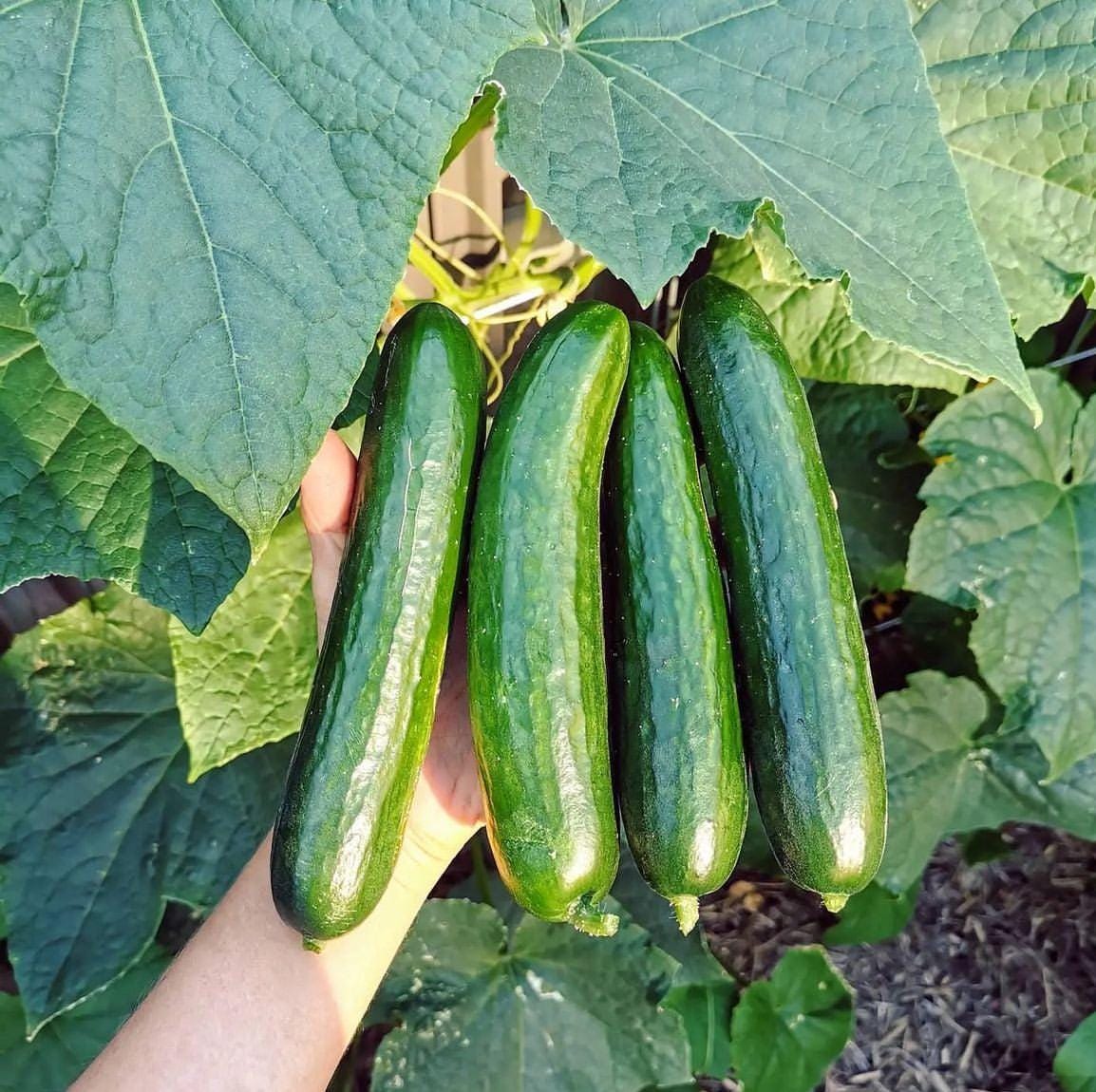 Beit Alpha Cucumber SeedsCucumis sativusfrom
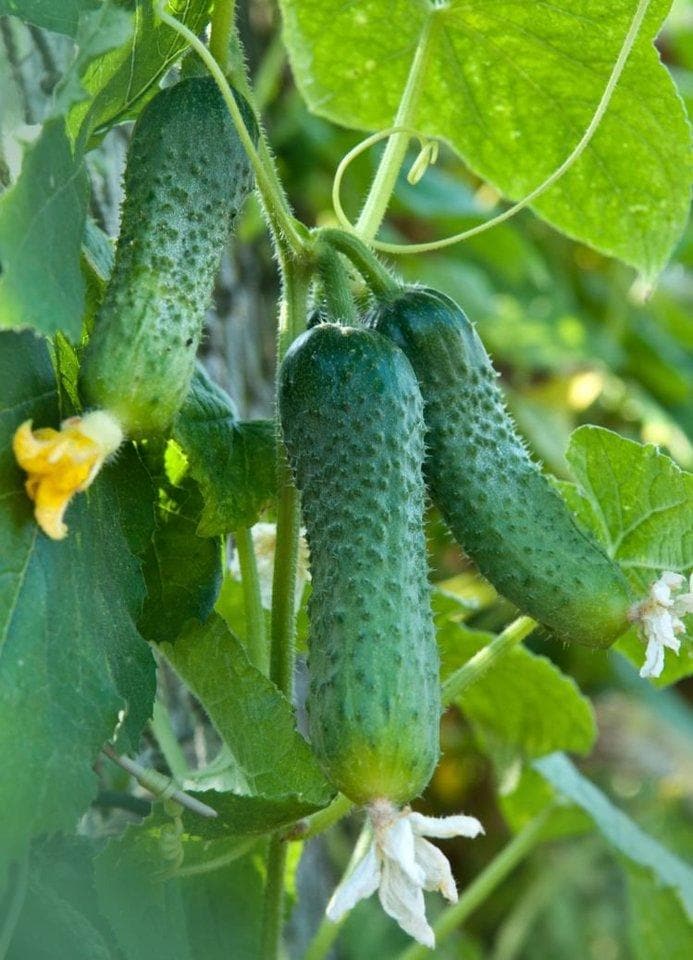 Cucumber summer green SeedsCucumis sativusfrom
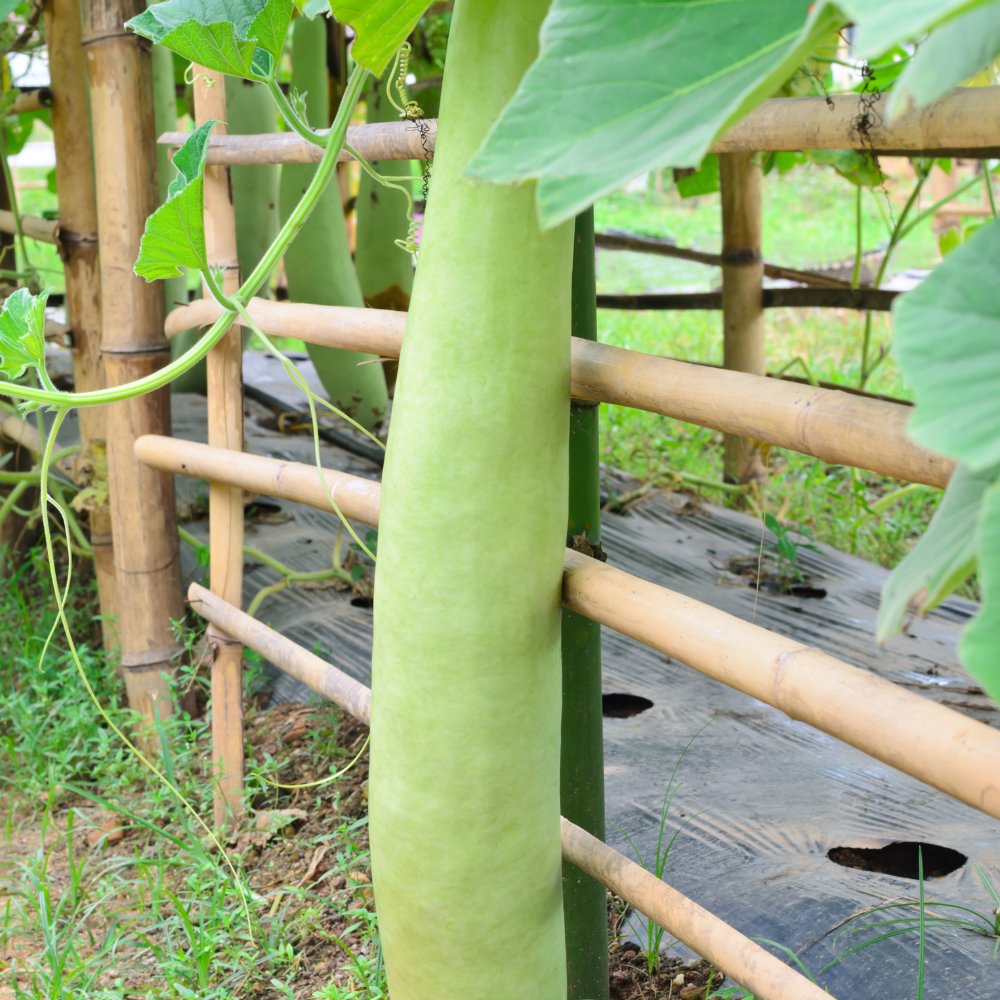 Long melon Durgesh Komal SeedsCucumis melofrom
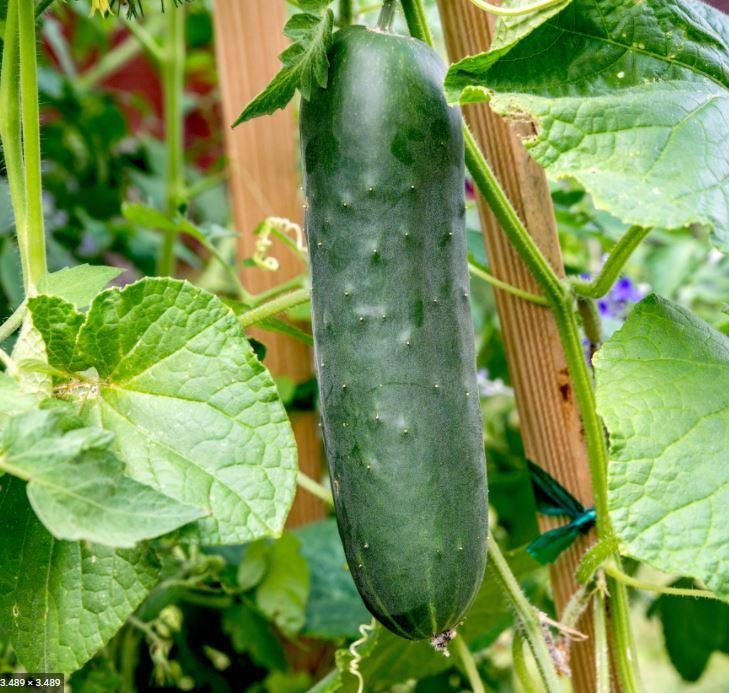 Marketmore Cucumber SeedsCucumis sativusfrom
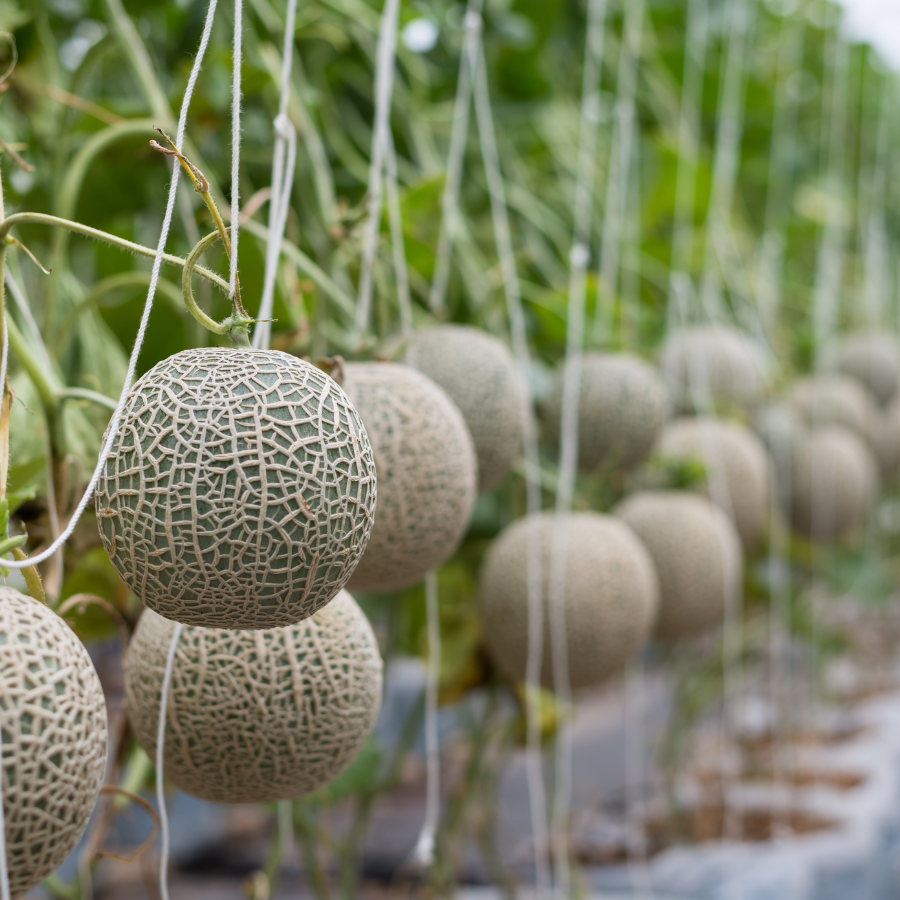 Musk melon Madhu Ras SeedsCucumis melofrom
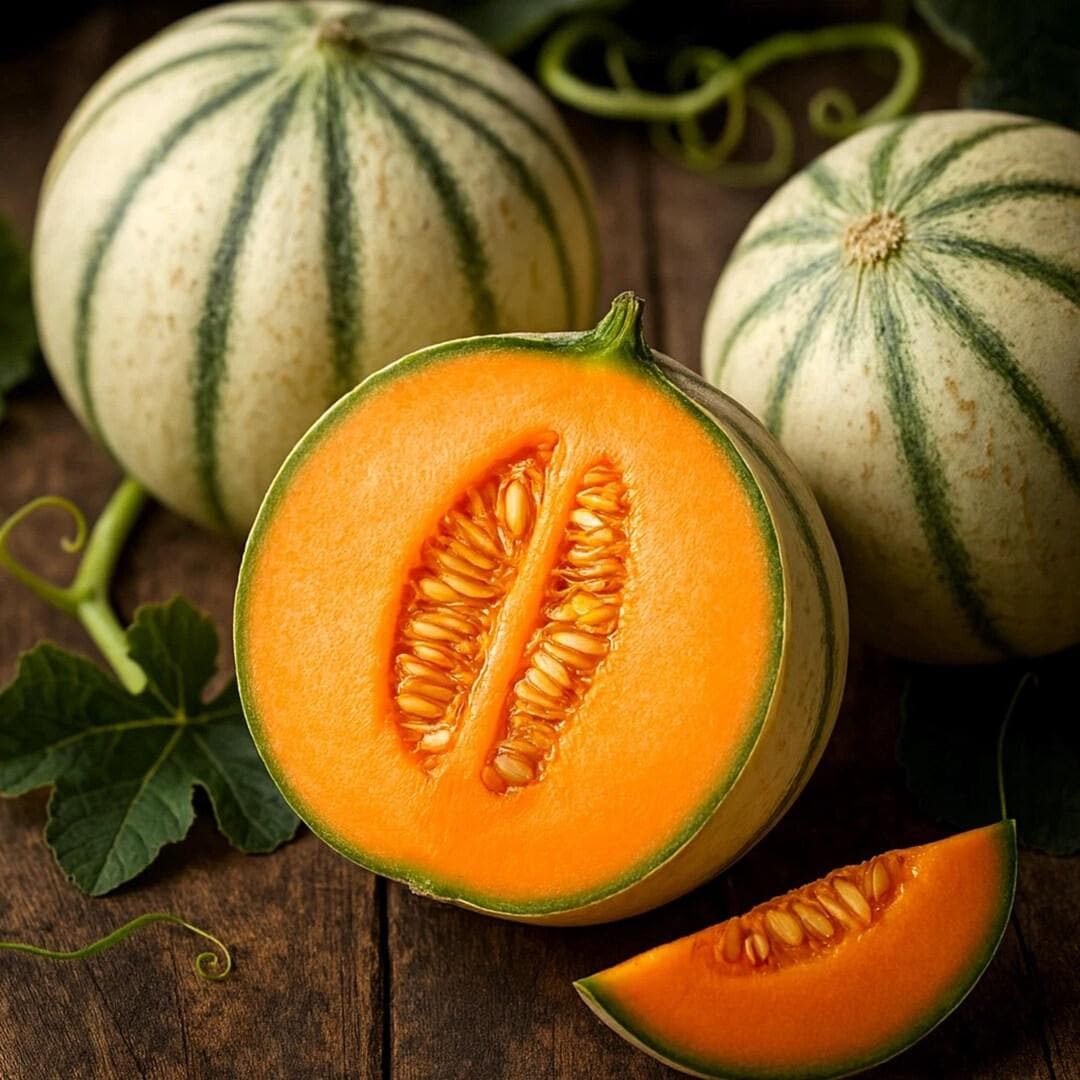 Striped Muskmelon SeedsCucumis melofrom
No. It is its own species, Cucumis metuliferus, and it does not form viable hybrids with cucumber or melon.
Flowers appear about 8 weeks after sowing, and fruit is harvested about 3.5 months after sowing.
When the skin turns golden to bright orange. The fruit stays firm and keeps for months at room temperature.
It likes 20-35 °C. Germination suffers above 35 °C and flowering above about 30 °C, so sow when the hottest weeks are over.